Rafael Hernández
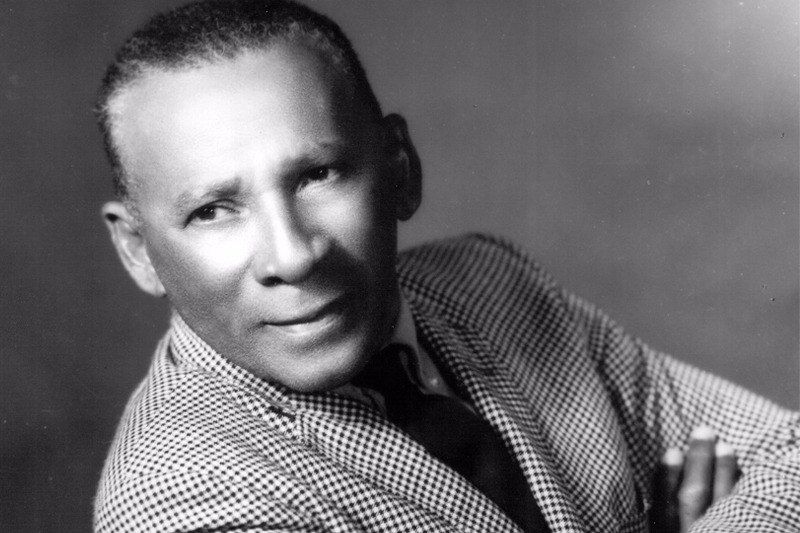
Rafael Hernández Marín was born in the town of Aguadilla, Puerto Rico, into a poor family, on October 24, 1892. As a child, he learned the craft of cigar making, from which he made a modest living. He also grew to love music and asked his parents to permit him to become a full-time music student. When he was 12 years old, Hernández studied music in San Juan, and learned to play many musical instruments, among them the clarinet, tuba, violin, piano and guitar.
Hernandez's professional career began in 1917. Just as the United States entered World War I, Hernandez was recruited by jazz bandleader James Reese Europe along with his brother Jesús Hernández, and 16 more Puerto Ricans musicians to join the United States Army's Harlem Hell fighters musical band The Orchestra Europe. After the war, Hernández moved to New York City and in the 1920s, he started writing songs and formed two consecutive groups, "Trio Borincano" and "Cuarteto Victoria". With both groups, Hernández traveled and played his music all over the United States and Latin America.
By 1932, Hernández moved to Mexico where he directed an orchestra and enrolled in Mexico's National Music Conservatory to further enrich his musical knowledge. Hernández also became an actor and organized musical scores in Mexico's "golden age" of movies. In 1947, Hernández returned to Puerto Rico and became the director of the orchestra at the government-owned WIPR Radio.
Hernández is responsible for penning over 3,000 works including "Ahora Seremos Felices", "Capullito de Alhelí", "Cachita" and most famously his seminal classic "El Cumbanchero" which became so popular that President John F. Kennedy christened him "Mr. Cumbanchero". Many of his compositions were strongly based on Cuban musical idioms, which were often mistaken as songs by Cuban authors.
Over the course of more than 6 decades, Rafael's music became an important part of Puerto Rican culture. Since his passing in San Juan on December 11, 1965, Puerto Rico has honored his memory by naming public buildings, avenues and schools after him. The airport in Aguadilla is named Rafael Hernández Airport and there are schools in The Bronx, Boston, and Newark, New Jersey that bear his name. Renowned Puerto Rican sculptor Tomás Batista created a statue of Hernández which is in the municipality of Bayamón, Puerto Rico and The Interamerican University of Puerto Rico, the repository of his works, operates a small museum in his honor at its Metropolitan Campus in San Juan which is directed by his son, Alejandro (Chalí) Hernández.


peermusic websites use cookies. By using our services, you're agreeing to our Privacy and Cookie Policies.